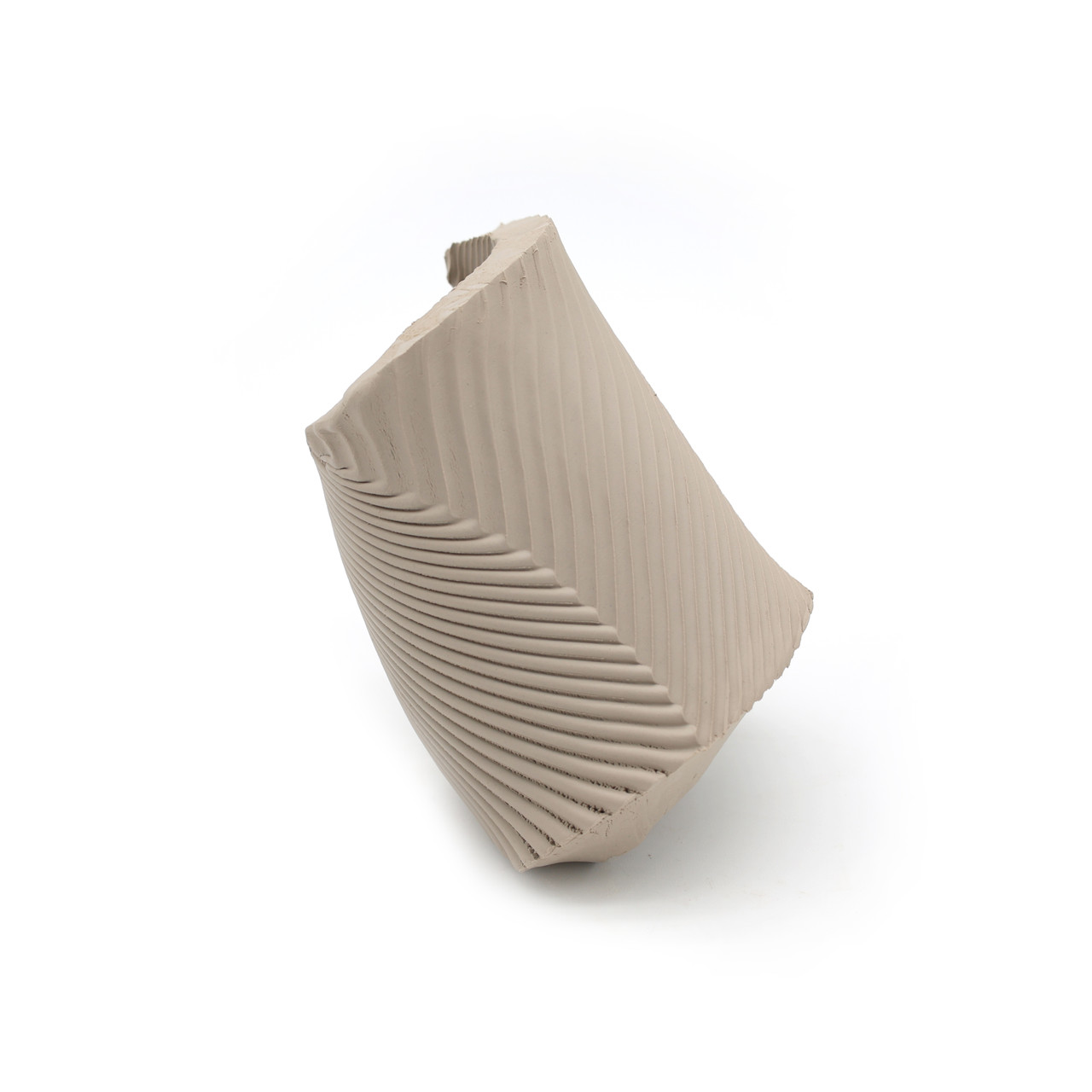

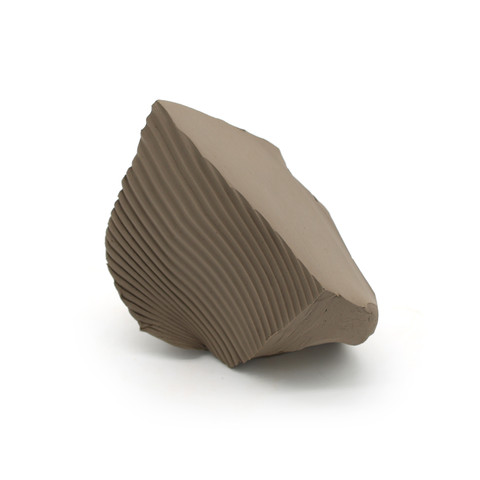

Plainsman Clays | SNOW
Snow Low Fire Clay
$0
Suggested retail price. In-store prices and availability may vary by location.
Low fired, White burning, Smooth, Plastic, Dolomite earthenware, Modelling and Casting clay body
Specifications
Type
Low temperature dolomite earthenware · white burning · modelling and casting body
Texture
Smooth and exceptionally plastic, with excellent drying performance
Usage
Modelling · hand-building · sculpture · throwing · tile · slip casting
Temperature
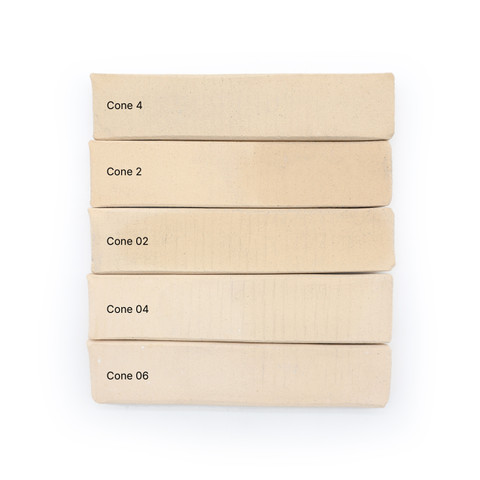
Cone 06 · 04 · 02 – we recommend firing between cone 06 and cone 04 (cone 04 = 1063 °C / 1945 °F). Snow stays white as high as cone 2.
Colour
Exceptionally white, from cone 06 through to cone 2
Shrinkage
Dry 5.0–6.0% · fired −0.2% at cone 06, 0 to −7% at cone 04, −0.6% at cone 02 – Snow expands slightly rather than shrinking
Absorption
Cone 06 24–26% · cone 04 23–25% · cone 02 24–25%
Figures are from the Plainsman lab. Cone equivalents are Orton self-supporting cones at 108 °F/hr.
Description
Snow is a white-burning dolomite earthenware made without talc. It replaced L213 in 2022, when the industry moved away from talc.
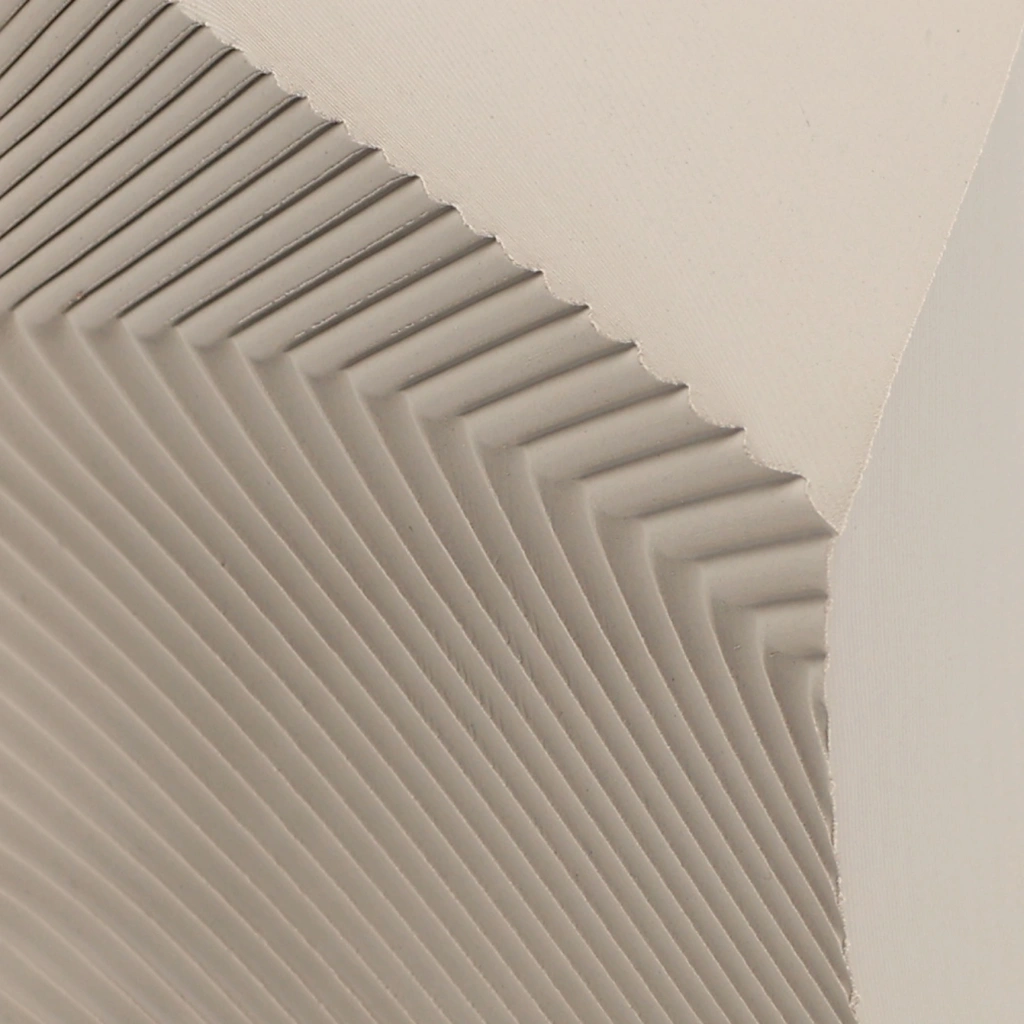
What sets it apart is that it does not shrink. Fired shrinkage is effectively zero up to cone 4, and flat work does not curl at the edges – which is unusual for a plastic clay, and makes Snow well suited to tile and to any piece that needs to stay true to size.
It is exceptionally plastic, dries well, fires exceptionally white from cone 06 to cone 2, and is built to take commercial low-fire glazes. It is also a porous body, at around 25% porosity. That porosity is part of why fired ware stands up so well to impact, and it is also why the ware needs to be glazed or sealed.
Working properties
- Exceptionally plastic, and the drying performance is excellent.
- For large sculptural work, Snow will take around 10% added sand or grog.
- Bisque ware needs looking after in damp conditions. Bisque firing drives the water out of the dolomite, and the dolomite will take water back up again given the chance, which can split the piece. Glaze soon after bisquing rather than leaving bisque ware standing, avoid washing bisque, and dry it quickly if it does get wet.
Fired colour & cone behaviour
- Snow burns exceptionally white from cone 06 through to cone 2. A transparent glaze over it gives a whiteware, and coloured glazes fire brighter than they would over a darker body.
- Fired shrinkage is effectively zero up to cone 4. It measures marginally negative, meaning the body expands very slightly rather than contracting, so flat tiles stay flat and do not curl at the edges.
- At cone 6 the body behaves quite differently – shrinkage jumps to 7% and absorption drops to 12%. Snow is not intended to be fired that high.
Glazes & glaze fit
- Snow is formulated to fit commercial low-fire glazes.
- Because the body is porous it can absorb some of the glaze melt during firing. If a glaze comes out looking starved, apply it more thickly or try a different one.
- Glaze every surface you can. Where you cannot, silicone sealer soaks into this body particularly well and will make unglazed ware water-tight.
- We do not publish thermal expansion figures for Snow, so confirm glaze fit by testing – a thermal stress test, 300 °F into ice water, will show up crazing or shivering.
- For food surfaces, use a transparent or white liner glaze. Do not assume a brightly coloured glaze is food safe without a leach test.