



Plainsman Clays | M332

$40.18 / 20 kg (44 lb) Pugged
$0
Suggested retail price. In-store prices and availability may vary by location.
Mid fired, Red brown burning, Sandy, Highly plastic, Throwing clay body
Cone 6 medium temperature clay body · red brown burning · sandy throwing body
Sandy and toothy, but highly plastic
Throwing · textured surfaces
Cone 5 · 6 · 7 – we recommend a cone 6 firing (1222 °C / 2232 °F) to maintain the warm red brown colour. Fired higher, the red becomes muted and lost.
Warm red brown at cone 6 · at cone 7 and up it fires to a light brown or grey
Dry 8.5–9.6% · fired 3.2–3.7% at cone 5, 3.5–3.8% at cone 6, 3.5–4.0% at cone 7
Cone 5 3.4–4.0% · cone 6 2.1–2.5% · cone 7 1.9–2.3%
Every figure is a measured range from the Plainsman lab, not a single nominal number. Cone equivalents are Orton self-supporting cones at 108 °F/hr.
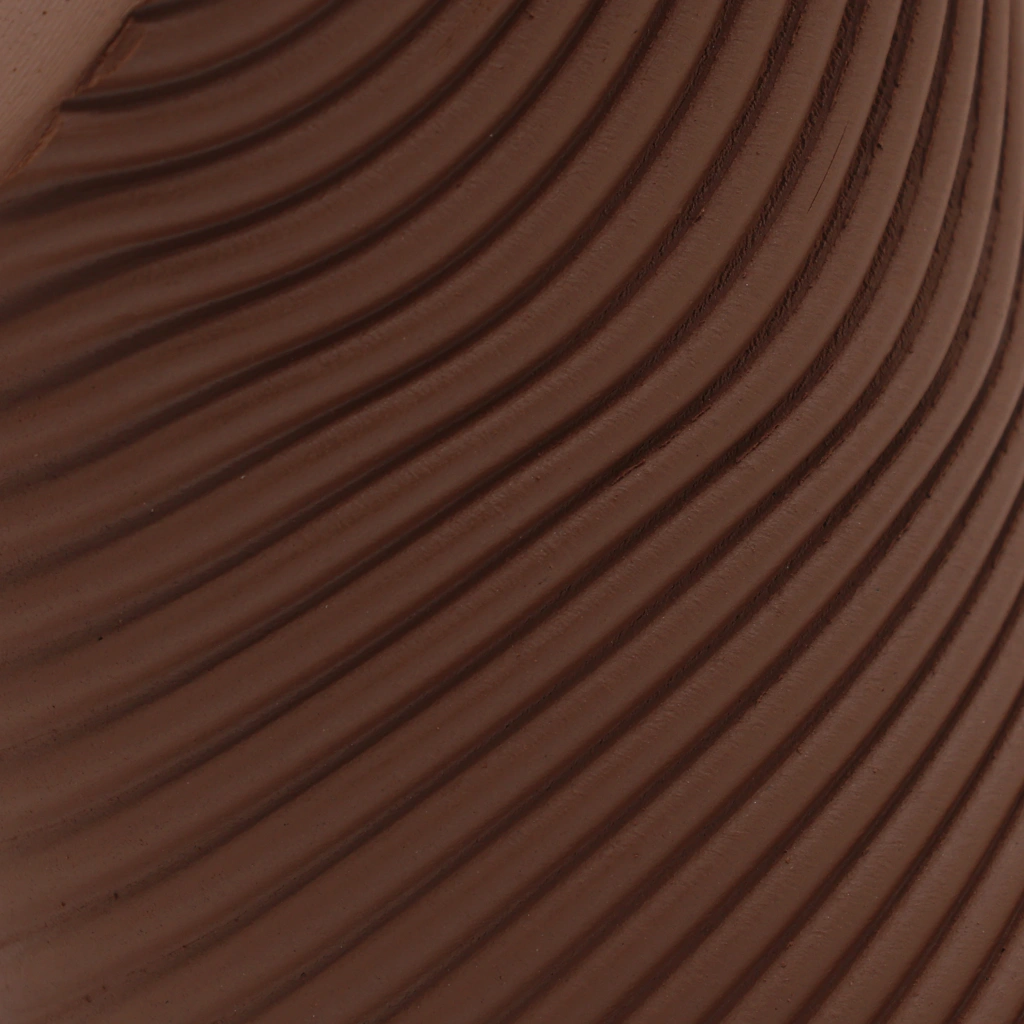
M332 is a sandy, highly plastic throwing body with real tooth and a textured fired surface. The sand in it is what you notice first, but unlike many sandy clays, it still stays responsive and plastic on the wheel.
It is a robust body with a heavy tooth – a mixture of both silt and fine clay particles, which gives texture without giving up plasticity on the wheel. It also has excellent green strength.