
TOP SELLER



Plainsman Clays | COFFEE

$67.58 / 20 kg (44 lb) Pugged
$0
Suggested retail price. In-store prices and availability may vary by location.
Mid fired, Dark brown burning, Smooth, Plastic, Functional, Throwing clay body
Cone 6 medium temperature stoneware · dark brown burning · functional
Smooth and plastic, and easy to throw
Throwing · functional tableware · dark fired colour without slips or stains
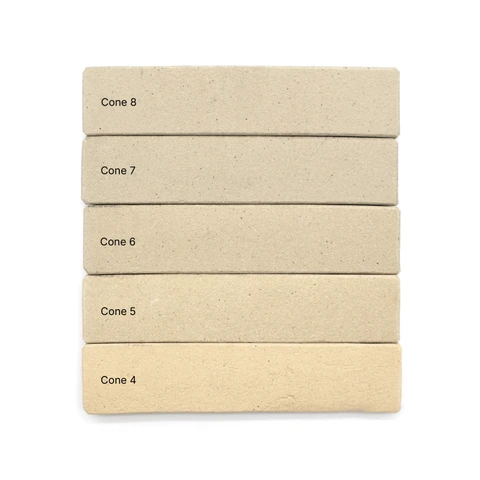
Cone 5 · 6 · 7 – like all of our medium temperature clay bodies, Coffee is designed to fire at cone 6 (1222 °C / 2232 °F). Cone 6 is a hard ceiling: above it the body bloats badly.
Dark brown · the colour develops through cone 5 to 6
Dry 7.3–8.0% · fired 6.5–7.3% at cone 5, 7.0–7.8% at cone 6, 7.5–8.3% at cone 7
Cone 5 2.8–3.2% · cone 6 2.2–2.5% · cone 7 1.0–2.3%
Every figure is a measured range from the Plainsman lab, not a single nominal number. Cone equivalents are Orton self-supporting cones at 108 °F/hr.
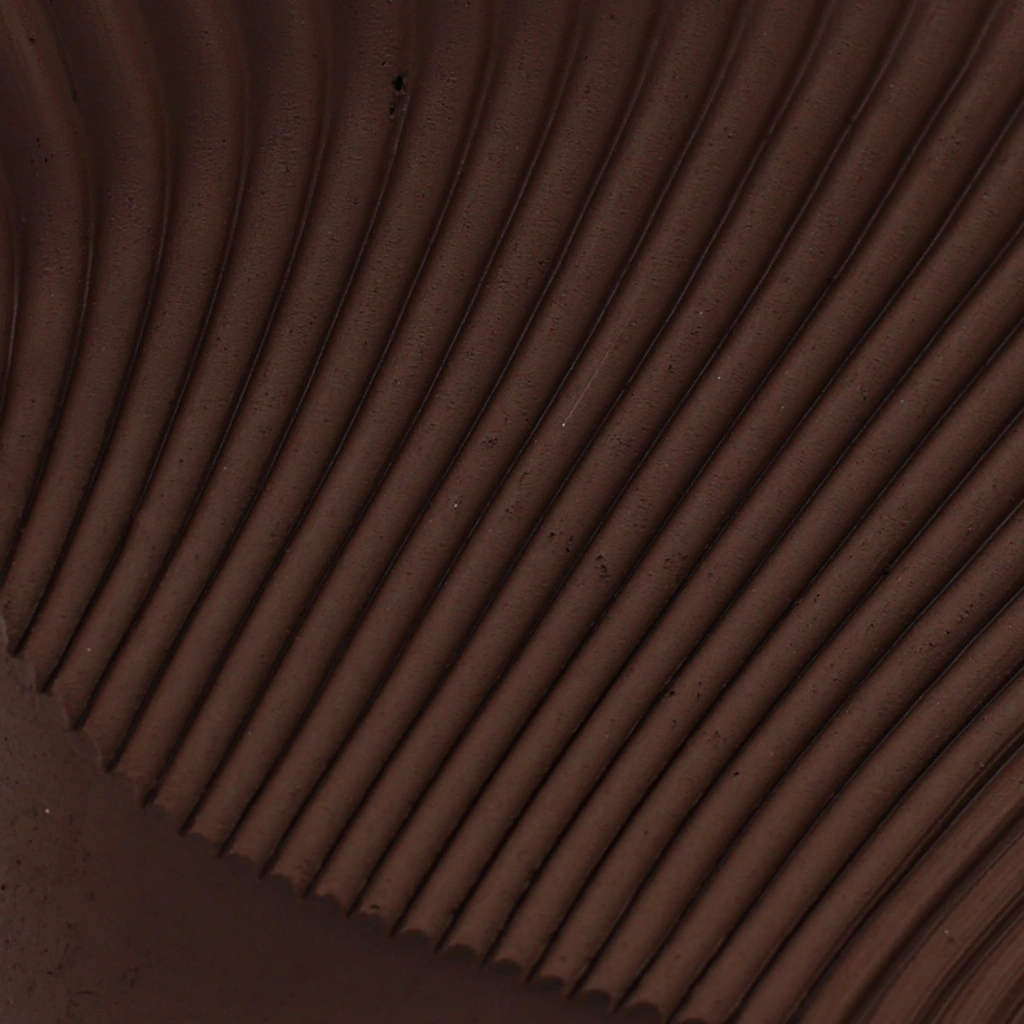
Coffee is a dark brown burning stoneware for functional work at cone 6. The colour is in the body itself, derived from burnt umber – a calcined natural clay – rather than applied as a slip or stain, so it runs all the way through the piece.
It is smooth and plastic, throws easily, generates plenty of slip on the wheel, and stays workable even when soft.
Firing to cone 6 is a firm limit rather than a preference. Beyond cone 6, the umber begins to break down and the body bloats badly, so this is not a clay to push to cone 7.